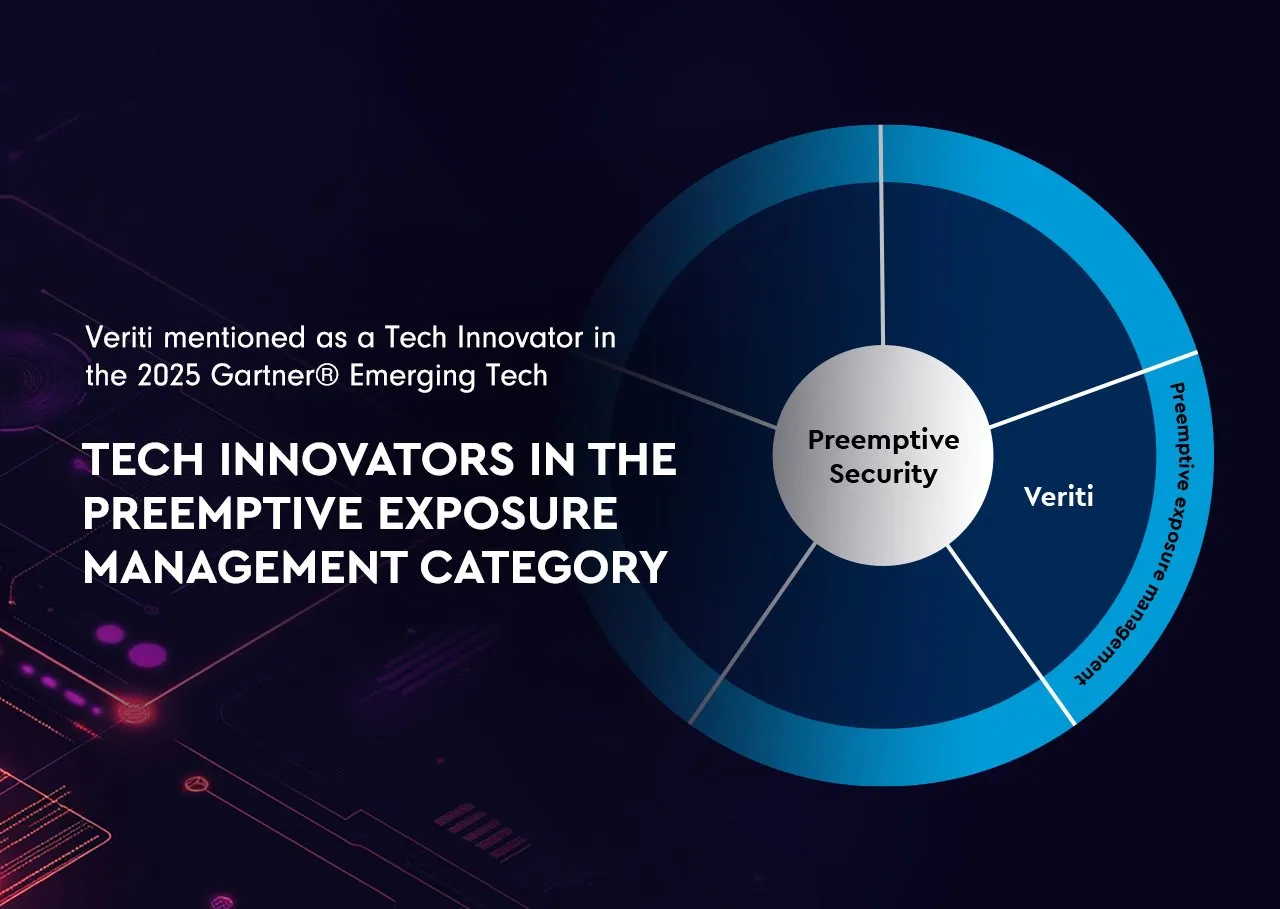
Definition: Preemptive Exposure Management (PEM) refers to a proactive cybersecurity strategy aimed at identifying and addressing security vulnerabilities before they can be exploited. PEM combines the identification of potential exposure points with the proactive remediation of security risks, leveraging advanced technologies such as automated security control assessments, attack surface management, and breach and attack simulation.
Key Principles of PEM:
- Continuous Vulnerability Identification: Actively scanning and analyzing the IT environment to identify vulnerabilities and exposure points continuously.
- Automated Remediation: Utilizing automation to apply patches, adjust configurations, and enforce security controls swiftly to mitigate identified risks.
- Integration with Advanced Technologies: Incorporating attack surface management, automated security control assessments, and other preemptive techniques to enhance the identification and mitigation of vulnerabilities.
Strategic Implementation of PEM:
- Comprehensive Security Framework: PEM is integrated into a broader preemptive cyber defense strategy, enhancing traditional reactive measures with proactive approaches.
- Leveraging AI and Machine Learning: Using artificial intelligence to predict potential attack vectors and automate the remediation processes, reducing the window of opportunity for attackers.
- Early Threat Disruption: Disrupting potential attack paths early by managing and securing exposure points before they can be exploited.
Applications of PEM:
- Enhanced Security Posture: Improves the overall security posture by continuously managing and mitigating exposures, significantly reducing the likelihood of successful attacks.
- Regulatory Compliance: Helps organizations comply with industry regulations by maintaining a secure and robust IT environment.
- Operational Efficiency: Reduces the resources and time typically required for incident response by preempting potential security breaches.
Future Directions of PEM: The development of PEM is expected to accelerate with advancements in technology, particularly in AI and machine learning. These technologies will enhance the ability of PEM solutions to predict vulnerabilities and automate security measures, further shifting the balance from reactive security approaches to proactive defense mechanisms.
Preemptive Exposure Management represents a shift towards more proactive security strategies in cybersecurity, focusing on the early identification and remediation of vulnerabilities to prevent attacks. By integrating advanced technologies and strategic approaches, PEM enables organizations to enhance their defensive capabilities and maintain a robust security posture in the face of evolving cyber threats.