Use Case
Misconfiguration Management
Proactively Neutralize Misconfigurations to Minimize Exposure Risks
The Challenge
Even slight misconfigurations in your security controls can leave you exposed to major threats
28%
OF ORGANIZATIONS ARE UNAWARE THAT THEIR SECURITY PRODUCT IS MISCONFIGURED
76%
OF ORGANIZATIONS HAD A MALFUNCTION IN THEIR SECURITY UPDATE PROCESS IN THE LAST 30 DAYS
60%
of security incidents will be traced to misconfigured security controls, Through 2028
Benefits
Veriti goes beyond mere assessment
With continuous identification and remediation of misconfigurations, it contextualizes each issue, giving you the comprehensive insight you need to understand their impact from a business and risk standpoint.

complete visibility

Preventative Maintenance

Increase ROI
features
Continuos configuration monitoring
Stay ahead of potential threats by continuously monitoring the hygiene of your security solutions. Identify and address security gaps and misconfigurations before they are exploited.
1 hour of security downtime saved per day by exclusively remediating misconfigurations that cause security gaps
Automated Assessment and remediation
Streamline the cyber hygiene assessment process with automated analysis, reporting, and remediation, reducing the preventative maintenance workload on security teams and minimizing the risk of human error.
50% improvement in penetration testing results achieved by Veriti’s continuous security configuration optimization
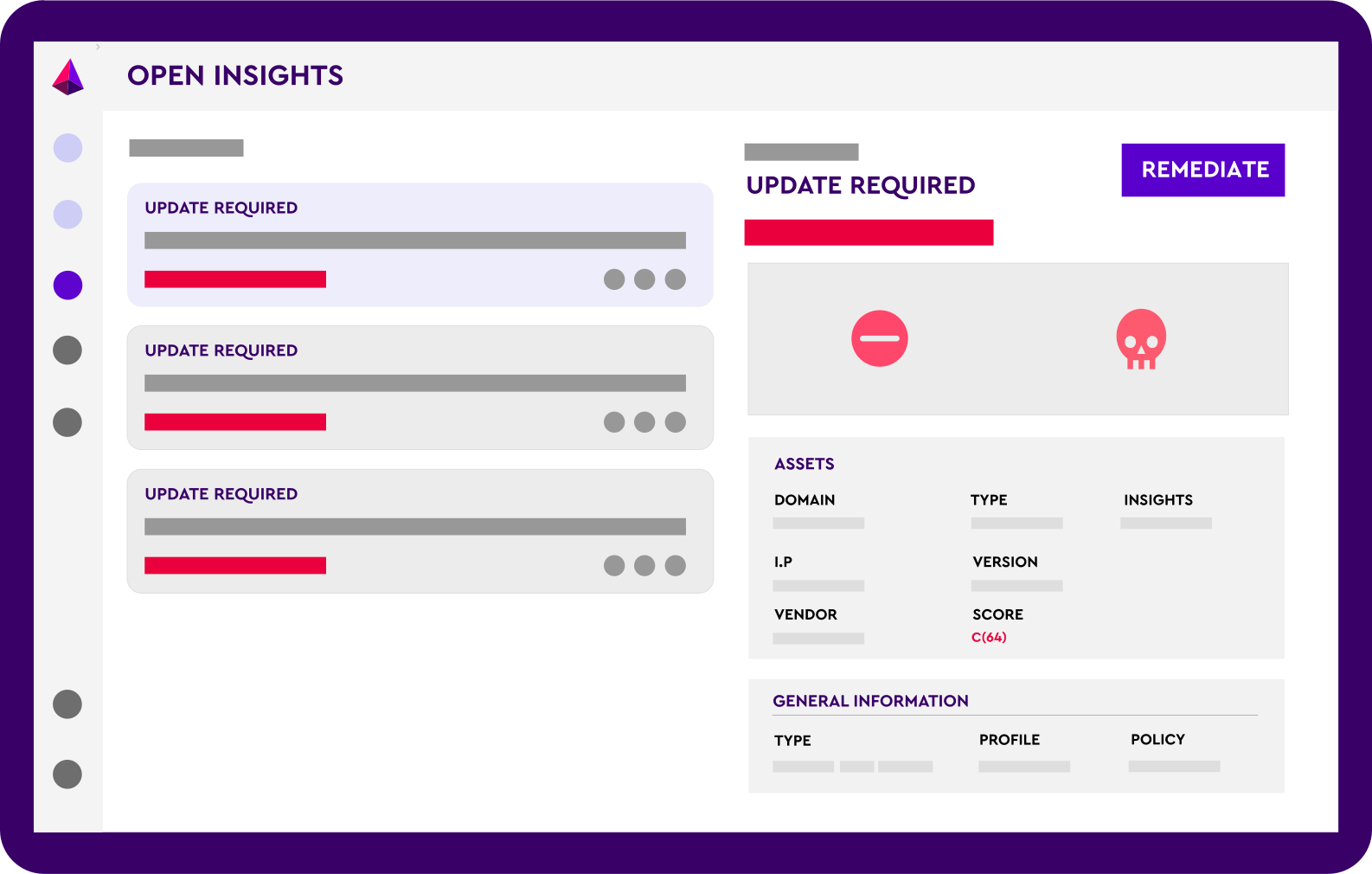
Risk-Based Configuration Adjustments
Utilizing advanced risk assessments and threat intelligence to inform necessary configuration updates, ensuring your defenses remain impervious.
11% Log Reduction:
Cut SIEM TCO with Veriti’s rule exclusion
See more use cases
FREQUENTLY ASKED QUESTIONS
What is cyber hygiene and why is it important?
Cyber hygiene refers to the regular and consistent maintenance of an organization’s cybersecurity defenses. This includes activities such as software updates, patching vulnerabilities, and monitoring for suspicious activity. It is important because it helps prevent cyber attacks and data breaches by keeping systems and networks up to date and secure.
How often should cyber hygiene practices be performed?
Cyber hygiene practices should be performed on a regular basis, ideally on a daily or weekly basis. This includes activities such as checking for software updates, patching vulnerabilities, and monitoring for suspicious activity.
What are some examples of cyber hygiene practices?
Keeping software and operating systems up to date with the latest patches and security updates
Regularly running antivirus and malware scans
Securing network connections with strong passwords and two-factor authentication
Regularly reviewing and monitoring system and network logs for suspicious activity
Educating employees on safe browsing and email practices to prevent phishing attacks